
Check out the shop

From the blog
From the gram

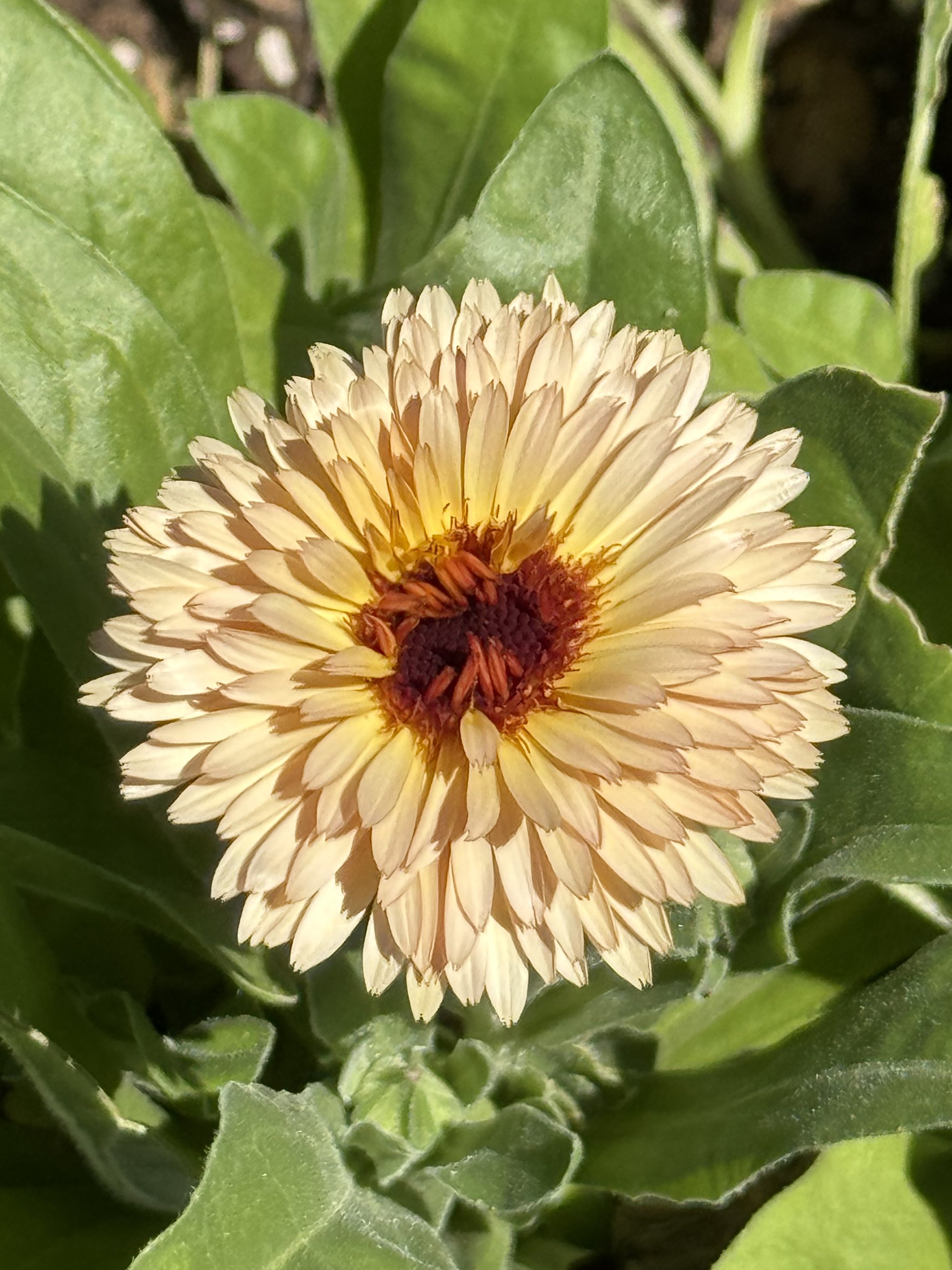
Calendula (often called "pot marigold") is a bright, sunny flower that brings old-fashioned charm and a lot of practical benefits to the garden. The plants are bushy and produce loads of daisy-like blooms, usually in shades of orange, yellow, or rose. Calendula petals are edible with a peppery, tangy flavor. They were historically used as a substitute for saffron giving rise to the nickname "poor man’s saffron." Calendulas also attract a variety of pollinators and beneficial insects. This variety produces blooms that are rosy orange.
This is an annual open-pollinated seed that grows well in USDA Hardiness Zones 2-10.
Each packet will have a little over 50 seeds.
This plant is great for cut flowers.
This plant has edible petals.
This plant attracts pollinators.
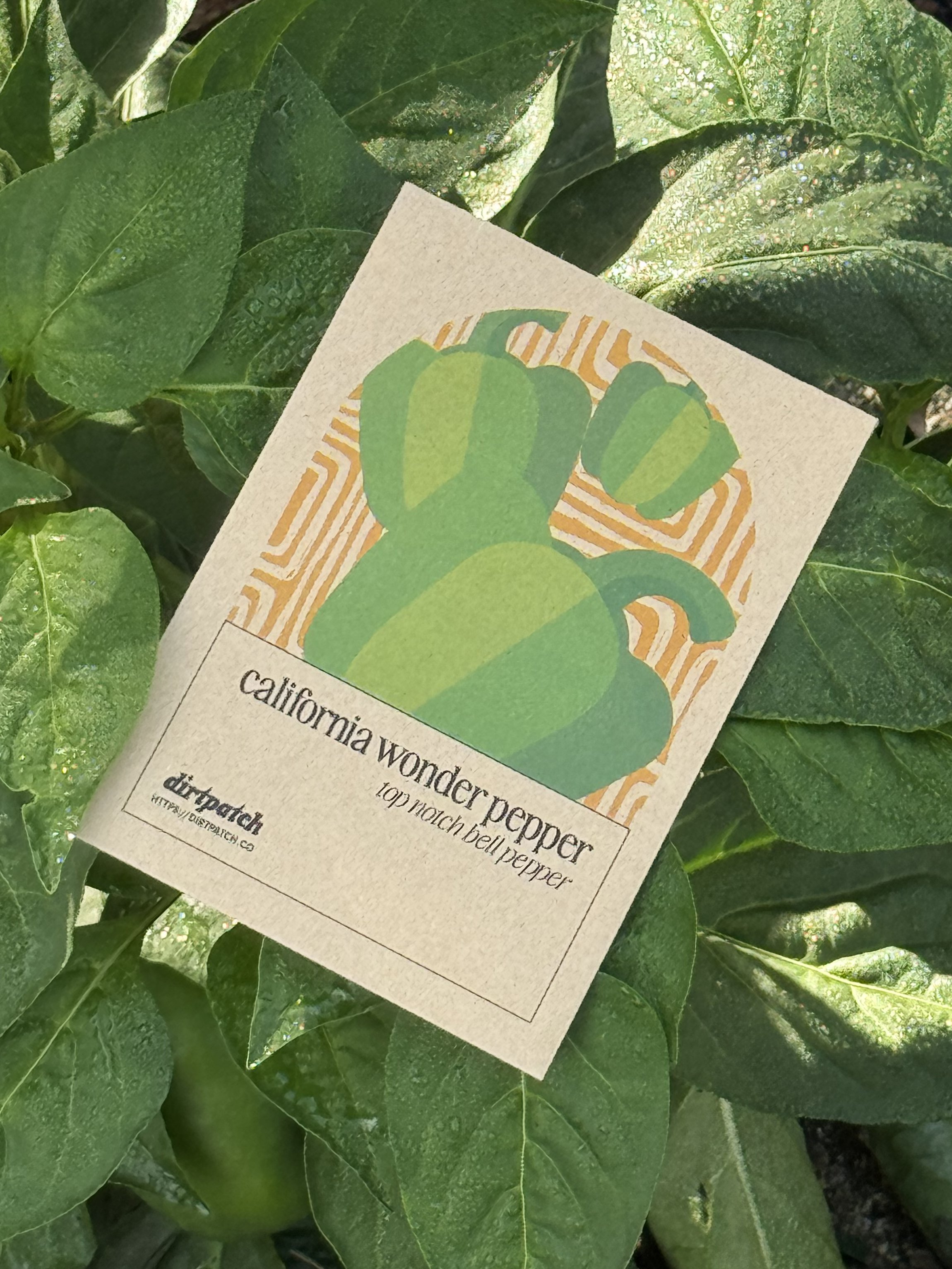
California Wonder Pepper is a classic heirloom sweet bell pepper that has set the standard for home gardens since its introduction in 1928. This open-pollinated variety produces large, blocky fruits with thick walls and a crisp, sweet flavor. It’s prized as one of the largest heirloom bell peppers available, making it perfect for stuffing, slicing into salads, or roasting on the grill. The plants are vigorous and productive, typically yielding four to five sizeable peppers per plant in a season. Gardeners love its reliability and disease resistance, and even beginners find it an easy and rewarding pepper to grow in containers or garden beds.
Chiko Burdock is an Asian root vegetable (often called gobo in Japanese cuisine) that offers both nutritional and medicinal value. This open-pollinated heirloom produces long, slender roots 1–2 feet in length with earthy brown skins. Burdock root has a mild, sweetly pungent flavor and a crisp texture, and it’s used in everything from stir-fries to herbal teas. The Chiko variety is cherished for its uniform roots and ease of growth.
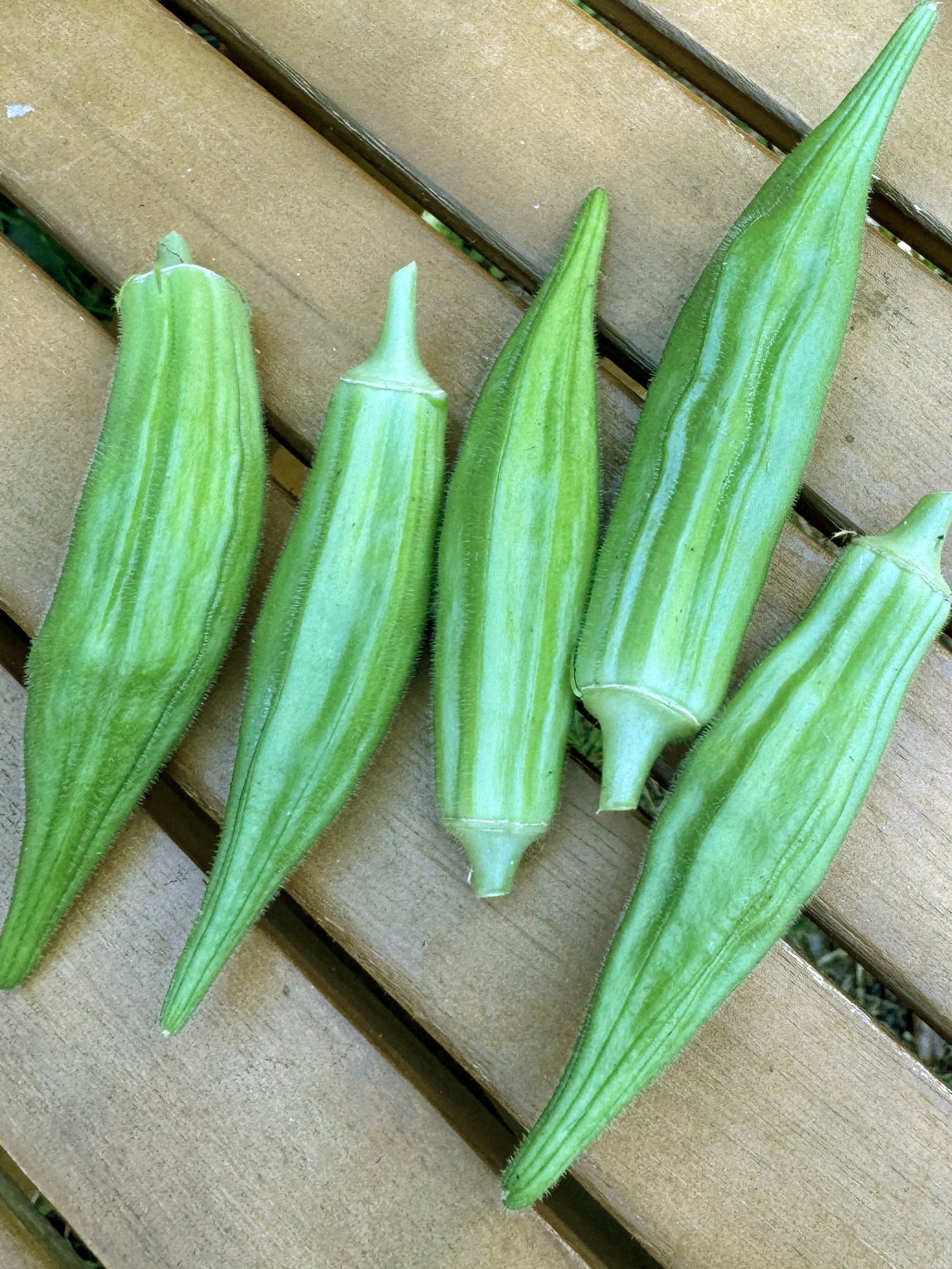
Clemson Spineless Okra is a beloved heirloom okra that has been a favorite of American gardeners for over 80 years. First introduced by Clemson University, this variety remains the gold standard for okra. It gets its name from the nearly spineless pods which makes harvesting much more pleasant on your hands! The plants are vigorous, often reaching 4–5 feet tall with beautiful cream-colored hibiscus-like flowers. Those blooms not only develop into tasty okra pods, but also attract pollinators like bees and even hummingbirds to your garden.
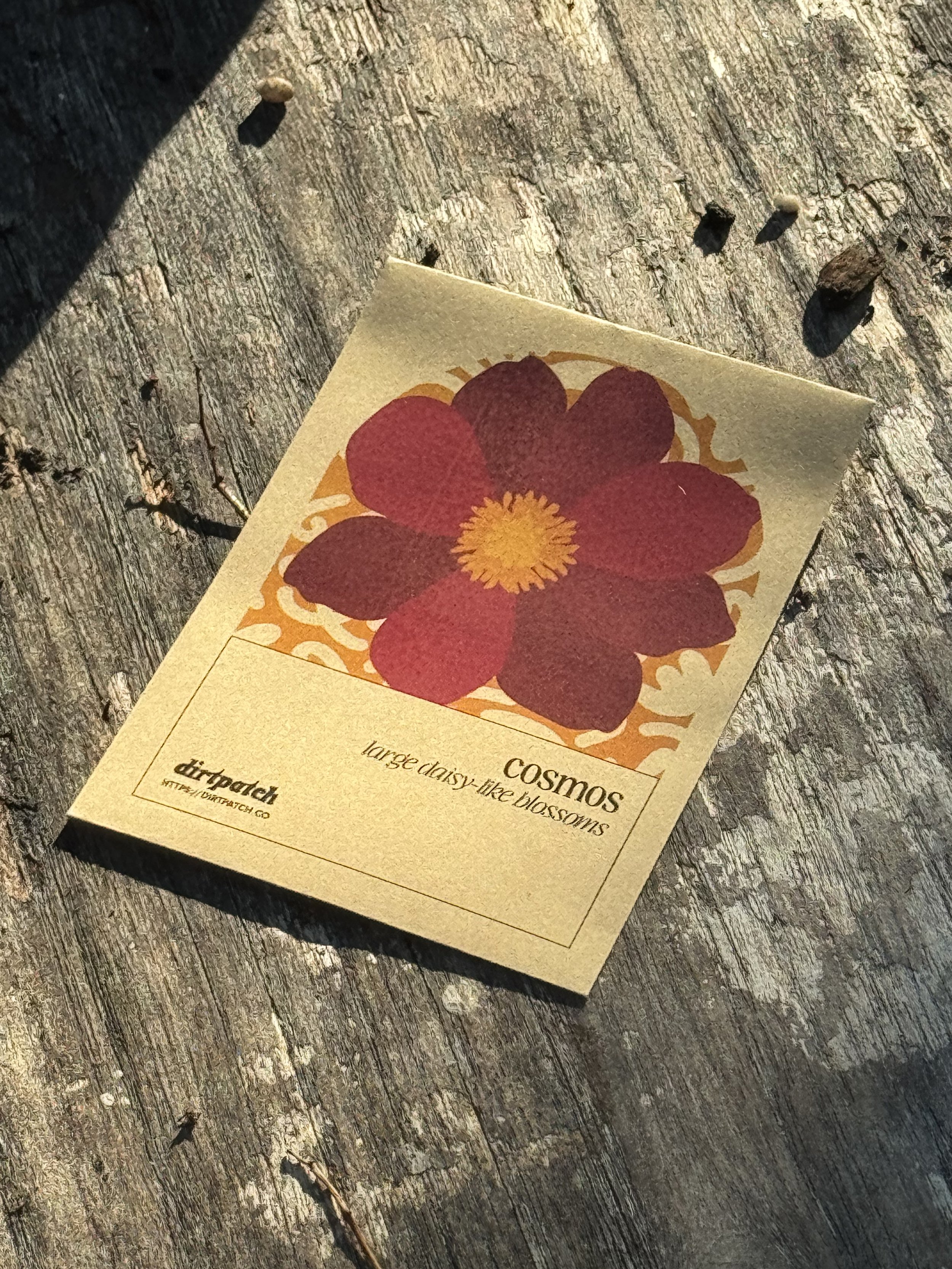
Cosmos shoot up with feathery, fern-like foliage and then unfurl daisy-like flowers that sit atop slender stems. They make excellent cut flowers, and pollinators adore cosmos and their open-faced blooms. Cosmos handle heat and drought with ease, actually thriving on a bit of neglect and less-than-ideal soil. They’re also quite pest- and disease-resistant, even attracting beneficial bugs like lacewings and hoverflies that help control pests. This variety will produce deep red to blush blooms.
Borage is a hardy annual with a sprawling, somewhat bushy habit and hairy stems and leaves. It produces a constant supply of star-shaped bright blue flowers that hang in downward clusters. The vivid blue blossoms are edible and have a mild cucumber-like flavor. In the garden, borage is a beneficial insect magnet and one of the best bee-forage plants you can grow. It's actually nicknamed "bee bread" for this reason! Borage also attracts tiny wasps and other predatory insects that help with pest control, helping to deter pests like hornworms and cabbage worms.